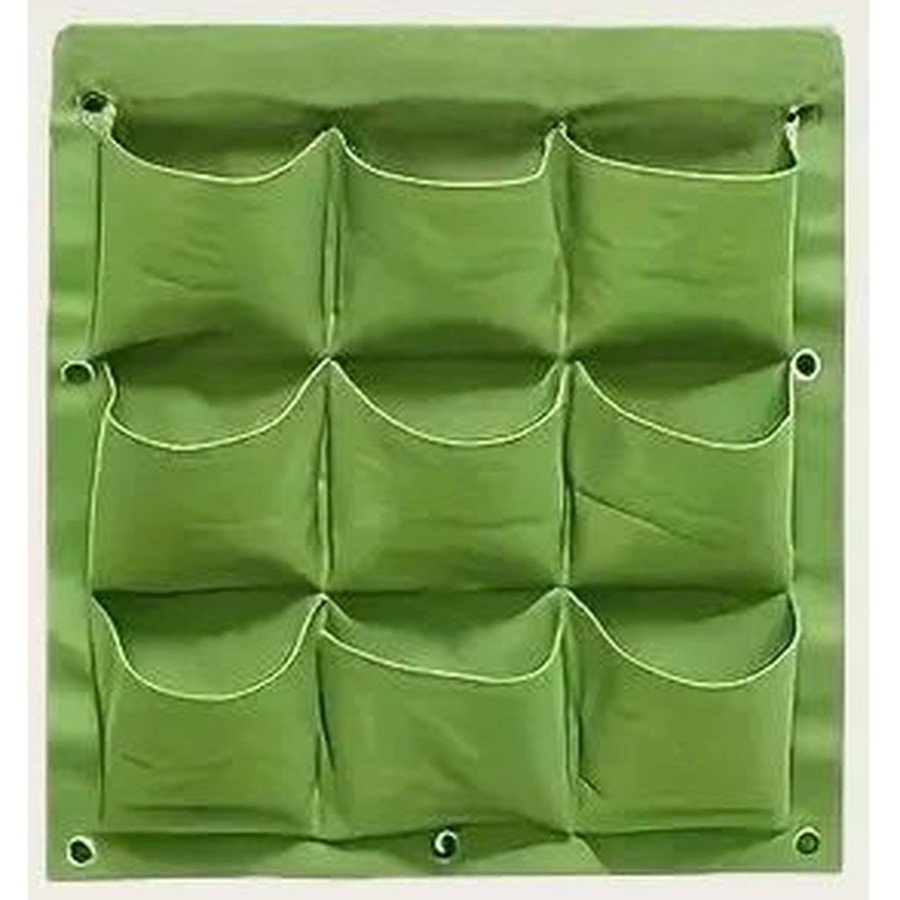
Quick answer: A vertical planter gives you the most plants per square metre of any format. The catch is water: it runs downwards, so the bottom pockets stay wettest and the top ones dry fastest. Plan the planting around that, and put a waterproof barrier between the unit and the wall.
A green wall is the single biggest change you can make to a small flat. It is also the one that goes wrong most expensively if you skip the planning.
Water runs down. Plan for it
The physics nobody mentions in the product photos.
Water applied at the top travels through the whole unit before it drains. The lowest pockets stay wettest for longest; the top ones dry fastest and get watered least thoroughly.
So plant accordingly. Drought-tolerant things at the top, thirstier things at the bottom.
Ignore this and you get a unit that is half dying of thirst and half rotting, which looks like bad luck and is actually gravity.
Protect the wall behind it
The expensive mistake, especially in a rental.
Even a well-designed unit will get the wall behind it damp over months. Plaster stains, paint blisters, and in a bathroom or kitchen you can get mould.
Put a waterproof backing board between the unit and the wall, and leave an air gap if you can. Battens a centimetre off the wall let air circulate and the wall dry.
The renting guide covers why this matters more than anything else if the wall is not yours.
Weight, and the fixing
A full vertical planter is heavy — many pockets of wet compost, all pulling on the same fixings, all on a lever arm from the wall.
Into studs or with rated anchors, never bare plasterboard. Spread the load across as many fixings as the unit allows.
And weigh it wet, not dry — the point the hanging guide makes at length.
A vertical planter is designed for this, and the hanging range has more.
Light falls off fast
A wall away from the window gets much less light than it appears to, and the lower pockets are usually shaded by the planting above.
Be honest about the aspect. Pothos, philodendron, ferns and ivy cope with low light. Herbs and succulents mostly will not, whatever the photos suggest.
The alternative: build it from parts
You do not need a purpose-made unit, and often should not use one.
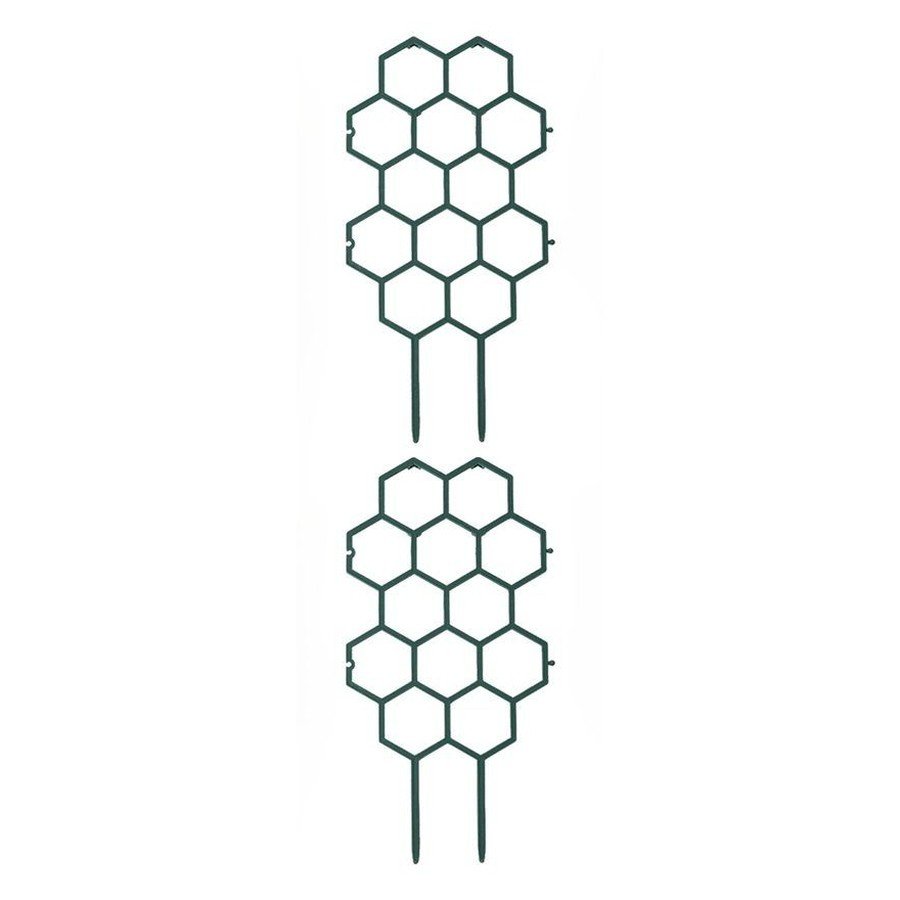
A trellis with a climber does the same job for a fraction of the money and none of the watering problem, because there is one pot at the bottom. A trellis plus a pothos will cover a large area within a year.
Or stack: a shelf with several small pots, a bracket above, a hanger above that. Same visual effect, each plant watered individually, nothing draining onto anything else. Small pots is the shelf for that, and a pulley solves reaching the high ones.
Maintenance, honestly
Green walls need more attention than the same plants in separate pots, not less.
Pockets are small, so they dry faster and exhaust their compost sooner. Dead plants in the middle are awkward to replace. And you cannot easily move one plant to a better spot.
Start smaller than you think. One unit, established and thriving, beats a whole wall half dead.
If you rent
Freestanding vertical units exist and lean against a wall rather than fixing to it. Less dramatic, no holes, no damp risk to plaster.
A tall shelf unit with pots on every level does much the same thing and comes with you when you move — the approach in the no-floor-space guide.
There is more in the small-space guide, and indoor pots covers the individual-pot route.
The short version
- Water runs down: put drought-tolerant plants at the top and thirsty ones at the bottom.
- Put a waterproof board and an air gap between the unit and the wall, or the plaster will suffer.
- Weigh it wet and fix into studs or rated anchors, spreading the load across every fixing point.
- A trellis with one climber achieves a similar effect with one pot and no watering problem.
- Green walls need more maintenance than separate pots, not less. Start small.
Frequently asked questions
Do vertical planters water evenly?
No. Water applied at the top travels down through the whole unit, so the lowest pockets stay wettest and the top ones dry fastest. Plant drought-tolerant species high and thirstier ones low, or half the wall will struggle.
Will a green wall damage the wall behind it?
It can, over months. Put a waterproof backing board between the unit and the wall and leave an air gap on battens so air circulates and the plaster can dry. In a rental this is the single most important precaution.
How do I fix a vertical planter safely?
Into studs, or with properly rated anchors, spreading the load across as many fixing points as the unit provides. Calculate from the weight of the planter when fully watered, since wet compost is far heavier than dry.
What plants suit a green wall indoors?
Low-light tolerant trailers and foliage: pothos, philodendron, ferns and ivy. Herbs and succulents rarely thrive, because a wall away from a window receives far less light than it appears to and lower pockets are shaded by the planting above.
Is a trellis a better option than a vertical planter?
Often, yes. A trellis with a single climber at the base covers a large area, costs far less and has no uneven watering problem because there is only one pot. It is also much easier to maintain and to move.