Quick answer: Frost proof means the pot is fired hard enough that it absorbs almost no water. Frost resistant is a weaker claim and often fails. If a pot has no label, tap it: a clear ring suggests a hard firing, a dull thud suggests a porous body that will flake once water inside it freezes.
Thirty years on the same allotment plot and I have lost more pots to February than to anything else. Not to bad plants. To water freezing inside the clay.
It is avoidable, and it costs nothing to avoid.
What actually breaks a pot
Not cold. Water.
A porous pot absorbs water into the body of the material. When that water freezes it expands by about a tenth, and it does so inside the pot wall.
The wall gives. You get flaking on the surface first, then a crack, then the whole side comes away in spring. If it has been sitting in a puddle, the base goes first.
The two labels, which are not the same
Frost proof means the material has been fired to a temperature where it vitrifies — it stops absorbing water in any meaningful quantity. No absorbed water, no expansion, no damage.
Frost resistant is a much softer claim. It usually means it will probably be fine in a mild winter in a sheltered spot. In a hard frost, on an exposed patio, it often is not.
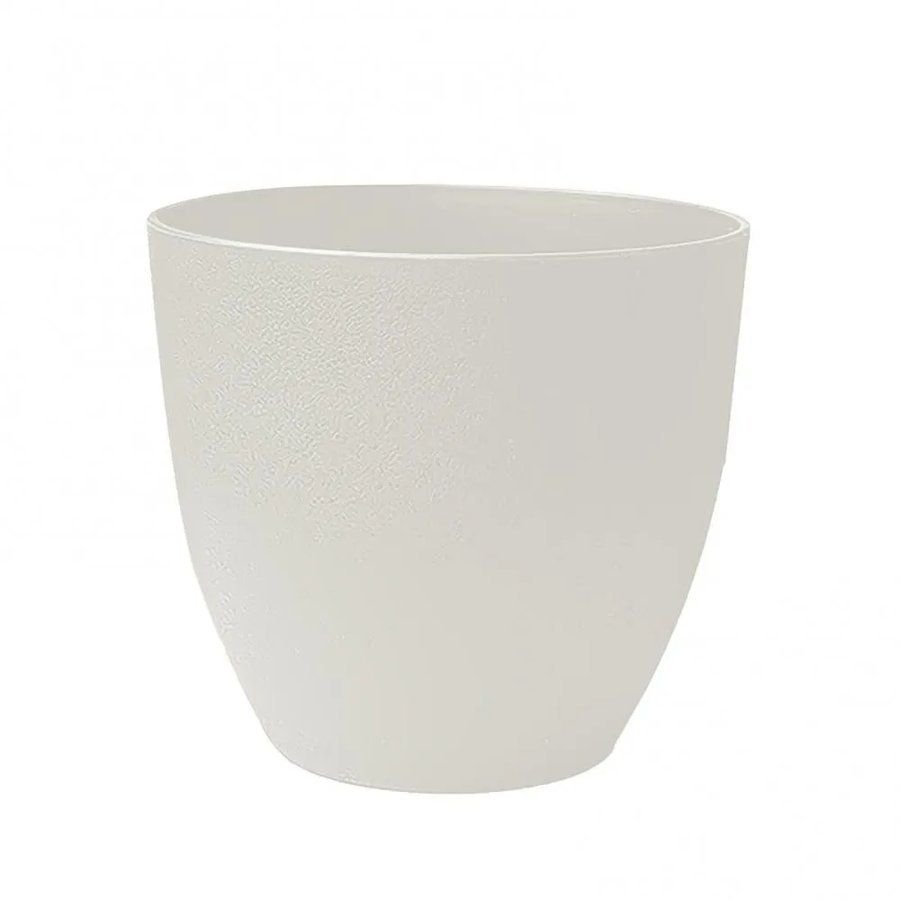
If a pot is going to sit outside all year, look for frost proof. Our outdoor pots and planters range flags this, and the outdoor guide goes further.
Testing an unlabelled pot
Three things you can do with a pot you already own.
Tap it. Flick the side with a fingernail. A clear ring means a dense, hard-fired body. A dull thud means porous, and porous means vulnerable.
Wet it. Put a splash of water on the unglazed outside. If it soaks in within seconds and darkens the clay, the pot drinks water and will not enjoy January.
Look at the base. Existing flaking, spalling or a hairline crack means it has already been through a freeze and lost. Retire it indoors.
Glazed pots are a special case. The glaze seals the outside but the inside is often bare, so water gets in from within and pops the glaze off in sheets. A glazed pot is only reliably frost proof if the body itself is, which the materials comparison explains.
Four things that save the rest
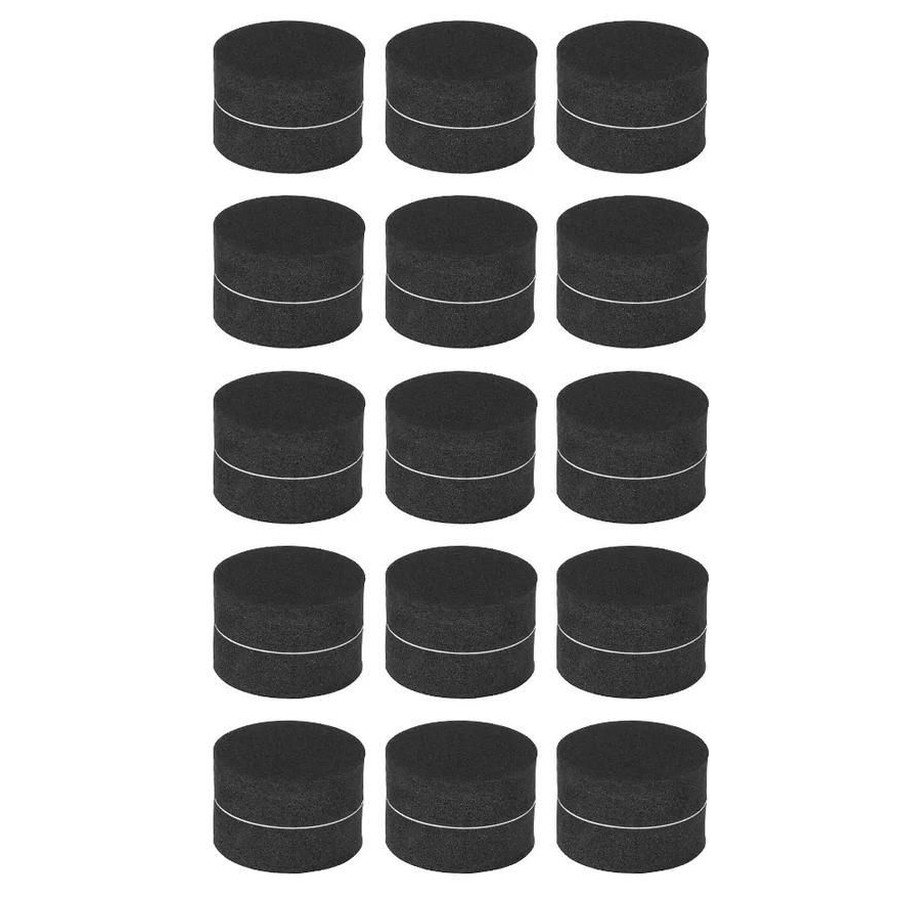
- Get them off the ground. A pot standing in a puddle absorbs water through the base and freezes from below. Pot feet fix it — these sit out of sight and lift the base clear.
- Make sure the hole is clear. A blocked drainage hole turns the pot into a bucket. Poke it out in autumn.
- Move what you can. Against a house wall is several degrees kinder than the middle of a lawn. Under an overhang is better still.
- Wrap the vulnerable ones. Hessian or fleece around the pot, not the plant. You are insulating the root ball and the pot wall.
Tender plants are a separate question: those come indoors entirely rather than being wrapped. The outdoor guide covers which is which.
What survives regardless
Good plastic. Unglamorous, and it does not care about frost at all — though cheap plastic can go brittle in UV and then shatter in cold. The plastic range is the pragmatic option for big outdoor pots.
Fibreclay and stone-look composites, which are the reason this sort of pot exists — the weight and look of stone without the water absorption.
Metal survives frost but conducts cold straight to the roots, so insulate the inside. And wood is fine but rots at the base, so it needs feet too. Metal and wood both have their place.
The honest bit
You do not need to save everything. A cheap terracotta pot that has done three summers has had a decent life.
What is worth protecting is anything big, anything expensive, and anything with a plant in it you would miss. Those get feet, a sheltered spot and a wrap. The rest can take their chances, and the large garden planters range is where the ones worth protecting usually come from.
The plant most often lost this way is the patio olive, and it is almost never the cold that does it. There is a full walk-through in the best pots for olive trees.
The short version
- Cold does not break pots. Water absorbed into the material freezing and expanding does.
- Frost proof means fired until it barely absorbs water; frost resistant is a much weaker claim.
- Tap an unlabelled pot: a clear ring means dense and hard-fired, a dull thud means porous.
- Raise every outdoor pot on feet and clear the drainage hole before winter.
- Glazed pots often fail from the inside, where the bare clay still drinks water.
Frequently asked questions
What is the difference between frost proof and frost resistant?
Frost proof means the material was fired hot enough to vitrify, so it absorbs almost no water and has nothing inside it to freeze. Frost resistant is a softer claim that usually means it will cope with a mild winter in a sheltered spot.
How can I tell if a pot will survive winter?
Tap the side with a fingernail. A clear ring suggests a dense, hard-fired body; a dull thud suggests a porous one. Splash water on the unglazed outside too - if it soaks straight in and darkens the clay, the pot drinks water.
Why do glazed pots crack in winter?
Because the glaze usually seals only the outside. The inside is bare clay, so water soaks in from within, freezes and pops the glaze off in sheets. A glazed pot is only reliably frost proof if the clay body itself is.
Do pot feet really make a difference?
Yes, and they are the cheapest thing you can do. A pot standing flat in a puddle absorbs water through its base and freezes from below, which is where most winter cracks start. Feet let water drain away instead.
Should I wrap the plant or the pot?
The pot. Hessian or fleece around the container insulates the root ball and the pot wall, which is what you are trying to protect. Wrapping foliage is a separate job and only needed for plants that are borderline hardy.